
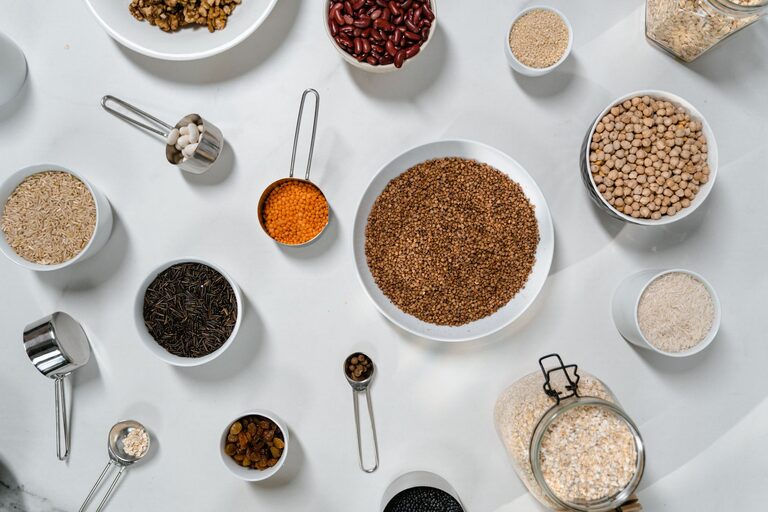
Planning meals from pantry staples can make cooking easier, reduce food waste, and help you shop with more purpose. Instead of starting with a recipe every day, begin by looking at what you already have. With a few basic ingredients and a simple method, you can create a variety of satisfying meals without needing a fully stocked refrigerator.
What Counts as a Pantry Staple?
Pantry staples are ingredients that store well and can be used in many different dishes. They often form the base of a meal rather than serving as a complete dish on their own.
Common pantry staples include:
– Rice, pasta, oats, and other grains
– Canned beans, lentils, and chickpeas
– Canned tomatoes, corn, and vegetables
– Flour, breadcrumbs, and baking ingredients
– Broth, stock, and canned coconut milk
– Peanut butter and other nut or seed butters
– Cooking oils, vinegar, and sauces
– Dried herbs, spices, and seasonings
– Shelf-stable onions, garlic, and potatoes
Your pantry may also include frozen foods and long-lasting refrigerator items. Frozen vegetables, eggs, cheese, and carrots can help turn a basic pantry meal into something more complete.
Start With a Pantry Inventory
Before planning meals, take a quick inventory. You do not need to organize every shelf perfectly. Simply group ingredients by type and note what should be used soon.
Create a list with categories such as:
- Grains and pasta
- Beans and other proteins
- Canned goods
- Sauces and cooking liquids
- Seasonings
- Frozen or long-lasting produce
Check expiration dates and place older items toward the front. Pay attention to open packages, nearly empty containers, and ingredients you rarely use. These items can inspire your meal plan.
A simple inventory might look like this:
– Brown rice
– Spaghetti
– Two cans of chickpeas
– One can of diced tomatoes
– Frozen peas
– Peanut butter
– Vegetable broth
– Soy sauce
– Garlic powder and Italian seasoning
Once you see your ingredients together, meal ideas become easier to develop.
Use a Basic Meal Formula
A flexible meal formula can help you combine ingredients without relying on a specific recipe. A useful structure is:
Base + protein + vegetables + flavor
For example:
– Rice + beans + frozen peppers + salsa
– Pasta + chickpeas + canned tomatoes + Italian seasoning
– Oats + peanut butter + fruit + cinnamon
– Potatoes + lentils + carrots + curry powder
The base provides substance, the protein adds staying power, vegetables bring color and texture, and flavorings make the meal more interesting. You can adjust the formula based on what you have available.
If you do not have an ingredient from one category, use a substitute. Rice can become pasta, beans can replace lentils, and frozen vegetables can stand in for fresh produce.
Build Meals Around Versatile Ingredients
Some pantry items can be used in several different ways. Choose these ingredients first when planning meals.
Rice and Other Grains
Rice, quinoa, couscous, and barley can serve as the foundation for bowls, soups, casseroles, and side dishes. Cook a larger batch and use it in different meals throughout the week.
For example, cooked rice can become:
– A bean and vegetable bowl
– Fried rice with eggs and frozen vegetables
– A filling for stuffed peppers
– A base for a tomato and chickpea dish
Beans and Lentils
Beans and lentils are useful in soups, salads, pasta dishes, wraps, and skillet meals. Canned beans are convenient, while dried lentils often cook quickly without soaking.
Rinse canned beans before using them to remove excess liquid and improve their texture. You can season them with herbs, spices, or a simple sauce to match the meal.
Canned Tomatoes
Canned tomatoes can add flavor and moisture to many dishes. Use them as the base for pasta sauce, soup, chili, shakshuka-style meals, or a simmered bean dish.
If a dish tastes flat, add a small amount of vinegar, lemon juice, dried herbs, or a pinch of sugar to balance the flavor.
Pasta and Noodles
Pasta does not have to be limited to tomato sauce. Try combining it with beans, canned tuna, frozen vegetables, broth, pesto, peanut sauce, or olive oil and garlic.
A small amount of sauce can go a long way when combined with cooking water. Reserve some pasta water before draining to help create a smoother sauce.
Plan by Components Instead of Recipes
Planning complete recipes for every meal can feel restrictive. A more flexible approach is to prepare separate components and combine them in different ways.
For example, you might prepare:
– One cooked grain
– One pot of beans or lentils
– A roasted or sautéed vegetable
– One sauce or dressing
These components can become bowls, wraps, salads, soups, or side dishes. This method also makes it easier to use leftovers creatively.
A batch of lentils could be served over rice one day, added to soup the next, and mixed with breadcrumbs to make simple patties later in the week.
Create a Weekly Pantry Meal Map
Use your inventory to sketch a loose meal plan. It does not need to assign a precise recipe to every day. Instead, choose a few meal types and list the ingredients each one will use.
Here is an example:
– Monday: Pasta with tomatoes, beans, and herbs
– Tuesday: Rice bowls with chickpeas and frozen vegetables
– Wednesday: Lentil soup with toast
– Thursday: Leftover rice turned into fried rice
– Friday: Baked potatoes with beans and cheese
This type of plan leaves room for changes. If you have extra leftovers or a busy evening, you can move meals around without wasting ingredients.
Plan one or two backup meals that require little effort. Good options include oatmeal, bean quesadillas, pasta with garlic and oil, or soup made from canned ingredients.
Add Fresh Ingredients Strategically
Pantry meals are more enjoyable when balanced with a few fresh ingredients. You do not need a large shopping trip. Choose items that can be used across several meals.
Useful additions include:
– Onions and garlic
– Carrots and cabbage
– Potatoes and sweet potatoes
– Apples and bananas
– Eggs
– Cheese or yogurt
– Leafy greens
– Lemons or limes
When shopping, look for ingredients that work in multiple dishes. A cabbage can be used in slaws, stir-fries, soups, and wraps. Eggs can become breakfast, a rice topping, or part of a quick dinner.
Keep Flavors Interesting
The same basic ingredients can taste completely different with a change in seasoning. Organize your pantry around a few flavor directions, such as:
Mediterranean-Inspired
Use tomatoes, beans, pasta, garlic, oregano, olive oil, and vinegar.
Mexican-Inspired
Combine beans, rice, corn, tomatoes, chili powder, cumin, and salsa.
Asian-Inspired
Try rice or noodles with soy sauce, peanut butter, ginger, garlic, and frozen vegetables.
Cozy and Savory
Use potatoes, lentils, broth, carrots, onions, and dried herbs for soups or stews.
These are not strict recipes. They are starting points that help you choose seasonings and combine familiar ingredients.
Reduce Waste With a Use-It-Up Day
Set aside one day each week to use small amounts of leftover ingredients. This could become a soup, fried rice, pasta dish, casserole, or grain bowl.
Before cooking, gather open packages and ingredients that need attention. Ask:
– Can I combine these into one meal?
– Can I freeze any extras?
– Can I use this ingredient in a sauce or topping?
– Can I repurpose leftovers for lunch?
A flexible use-it-up meal can prevent food from being forgotten at the back of the pantry or refrigerator.
Make Pantry Planning a Habit
Meal planning from pantry staples becomes easier with practice. Keep a running inventory, restock the ingredients you use most, and avoid buying items simply because they are on sale. Focus on foods that fit your cooking habits and work in several types of meals.
The goal is not to create complicated dishes or follow a perfect schedule. It is to make the most of what you have, keep your options open, and make everyday cooking more manageable. With a basic meal formula, a few versatile ingredients, and a little planning, your pantry can provide the foundation for many satisfying meals.