
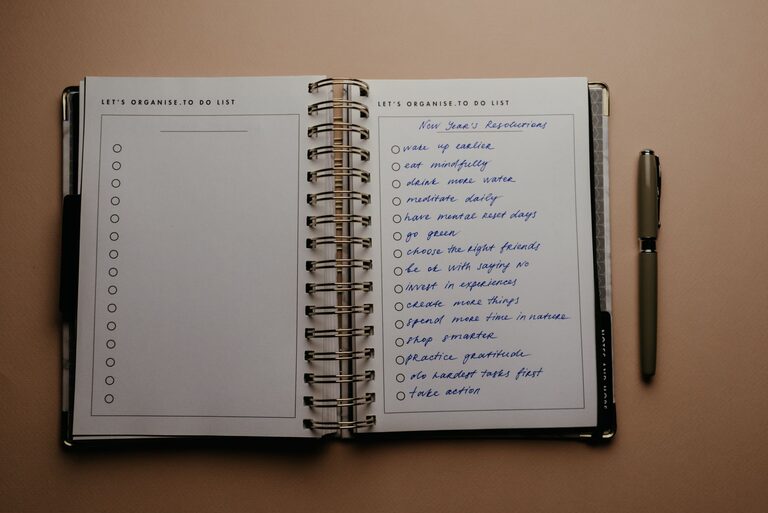
Building a habit is less about making a perfect plan and more about repeating a useful action often enough for it to become familiar. Whether you want to read more, exercise regularly, spend less time on your phone, or keep your home organized, habit tracking can help you see your progress and stay focused.
A habit tracker does not need to be complicated. The best system is one that is easy to use, clear at a glance, and flexible enough to fit your real life. With the right approach, tracking becomes a helpful reminder rather than another task to manage.
Start With One Clear Habit
Many people try to change too much at once. They create a long list of goals, follow it for a few days, and then feel discouraged when the routine becomes difficult to maintain. Starting with one or two habits gives you a better chance of building steady progress.
Choose a habit that is:
– Specific
– Small enough to begin today
– Connected to something you value
– Easy to measure
– Realistic for your schedule
For example, “get healthier” is a broad goal, while “take a 10-minute walk after lunch” is a clear habit. “Read more” can become “read five pages before bed.”
A specific habit answers three simple questions:
- What will I do?
- When or where will I do it?
- How will I know it is complete?
The clearer the habit, the easier it is to track.
Make the First Step Small
A habit should be challenging enough to matter but easy enough to repeat. If the starting action feels overwhelming, you may avoid it before you begin.
Try reducing the habit to its simplest version:
– Do two minutes of stretching instead of a full workout
– Write one paragraph instead of finishing an entire article
– Put away five items instead of cleaning the whole room
– Practice a new skill for five minutes instead of an hour
Small actions may seem insignificant, but they help you build consistency. Once the habit feels natural, you can increase the time or effort gradually.
The goal at the beginning is not maximum performance. It is creating a reliable pattern.
Choose a Tracking Method
There are many ways to track habits, so choose the method you are most likely to use. A complicated system can become a barrier, especially when you are busy.
Paper Habit Tracker
A notebook, calendar, or printed checklist works well for people who like writing by hand. Add one box for each day and mark it when you complete the habit.
Paper tracking is simple and visible. You can keep the tracker near your desk, on the refrigerator, or beside your bed.
Digital App
A habit tracking app can send reminders, display streaks, and organize several habits in one place. Digital tools are useful if you already check your phone regularly.
However, avoid downloading several apps at once. Test one simple option and keep it only if it makes tracking easier.
Calendar Method
Use a wall calendar or digital calendar to mark completed habits. A row of completed days can provide a quick visual reminder of your progress.
This method is especially useful for habits tied to a specific time, such as practicing a language each morning or preparing for the next day each evening.
Simple Notes or Spreadsheet
A notes app or basic spreadsheet may be enough. Create a list of habits and add a check mark, date, or short note whenever you complete one.
The best tracking method is not the one with the most features. It is the one you will continue using.
Attach Habits to Existing Routines
A new habit is easier to remember when it follows something you already do. This is sometimes called habit stacking, but the idea is simple: connect the new action to an established routine.
Examples include:
– After brushing your teeth, write down your top priority
– After making coffee, review your schedule
– After lunch, take a short walk
– Before turning on the television, tidy one small area
– After putting your phone on charge, prepare for the next morning
The existing routine acts as a reminder. Over time, the new habit can become part of the same sequence.
Choose a reliable event rather than an exact clock time when possible. Schedules often change, but actions such as waking up, eating lunch, or finishing work usually provide more flexible reminders.
Make Good Habits Easier
Your surroundings can influence your behavior. If you want to follow through, make the desired action visible and convenient.
For example:
– Place your book on your pillow
– Keep walking shoes near the door
– Prepare healthy snacks in advance
– Put a notebook beside your computer
– Set out the items you need the night before
You can also reduce distractions. Silence unnecessary notifications, move distracting apps away from your home screen, or keep entertainment devices in another room during focused work.
Small changes to your environment reduce the number of decisions you need to make. When the next step is obvious, starting becomes easier.
Track Completion, Not Perfection
A tracker should provide useful information, not create pressure. You do not need to complete every habit every day to make progress.
Instead of asking, “Did I do this perfectly?” ask:
– How often did I complete the habit this week?
– What helped me follow through?
– What made the habit difficult?
– What adjustment would make it easier next time?
You may find that a weekly target works better than a daily target. For example, completing a habit four times per week can provide structure while allowing room for busy days.
Tracking completion also helps you identify patterns. Perhaps you are more consistent in the morning, on certain days, or when you prepare in advance. Use this information to improve your routine.
Plan for Missed Days
Missing a day does not erase your progress. Life includes changes, interruptions, travel, busy periods, and unexpected responsibilities. A sustainable habit system includes a plan for these situations.
When you miss a habit:
- Notice what happened without criticizing yourself.
- Identify the reason you missed it.
- Adjust the habit if needed.
- Return to the routine at the next reasonable opportunity.
If the habit is too demanding, make it smaller. If you forgot, add a reminder or connect it to an existing routine. If the timing is inconvenient, choose a different part of the day.
A useful rule is to avoid letting one missed day become several. You do not need to make up for the missed action. Simply resume with the next planned opportunity.
Review Your Progress Regularly
Set aside a few minutes each week to review your tracker. Look for progress, challenges, and practical improvements.
Consider these questions:
– Which habits were easiest to complete?
– Which days or situations caused problems?
– Did the habit still match my current goals?
– Is the action small enough?
– What reminder or environmental change would help?
You can also record a short note about how the habit affected your day. This may reveal benefits that are not visible on a checklist, such as improved focus, a calmer evening, or more confidence.
A weekly review keeps your system active. Instead of following a routine automatically, you learn what works and make thoughtful adjustments.
Focus on Identity and Long-Term Progress
Habit tracking is useful because it shows what you do repeatedly. Over time, those actions can support the kind of person you want to become.
Rather than focusing only on results, connect the habit to an identity:
– “I am someone who takes care of my energy.”
– “I am someone who makes time to learn.”
– “I am someone who keeps promises to myself.”
– “I am someone who prepares for the day ahead.”
This mindset can make ordinary actions feel more meaningful. You are not just checking a box; you are practicing a behavior that supports your priorities.
Consistency does not mean doing everything perfectly. It means returning to the habits that matter, learning from interruptions, and making the process easier to continue. Start small, track simply, and review your progress often. With time, repeated actions can become a dependable part of your everyday life.